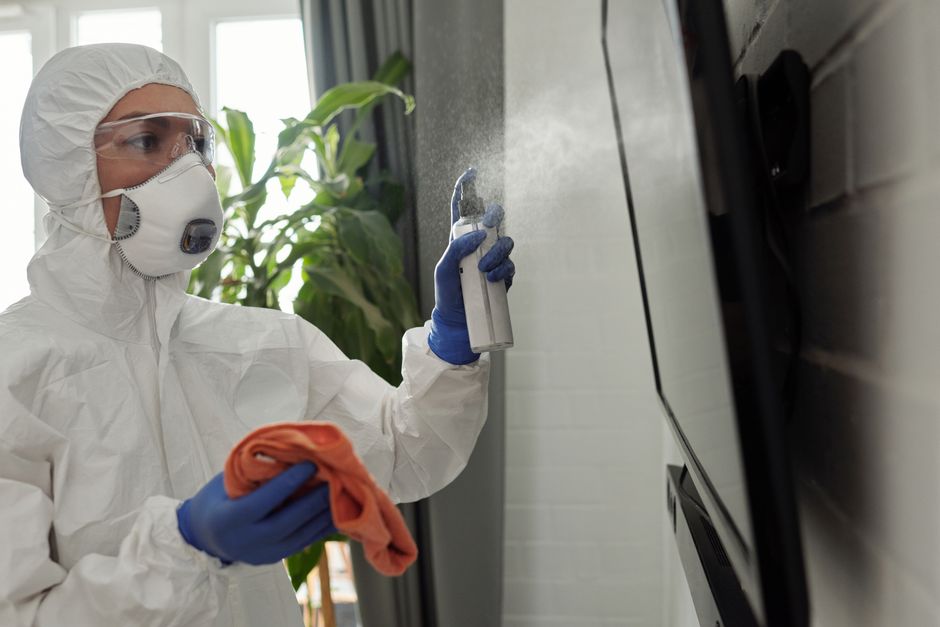
How to disinfect high touch areas to stop cross contamination
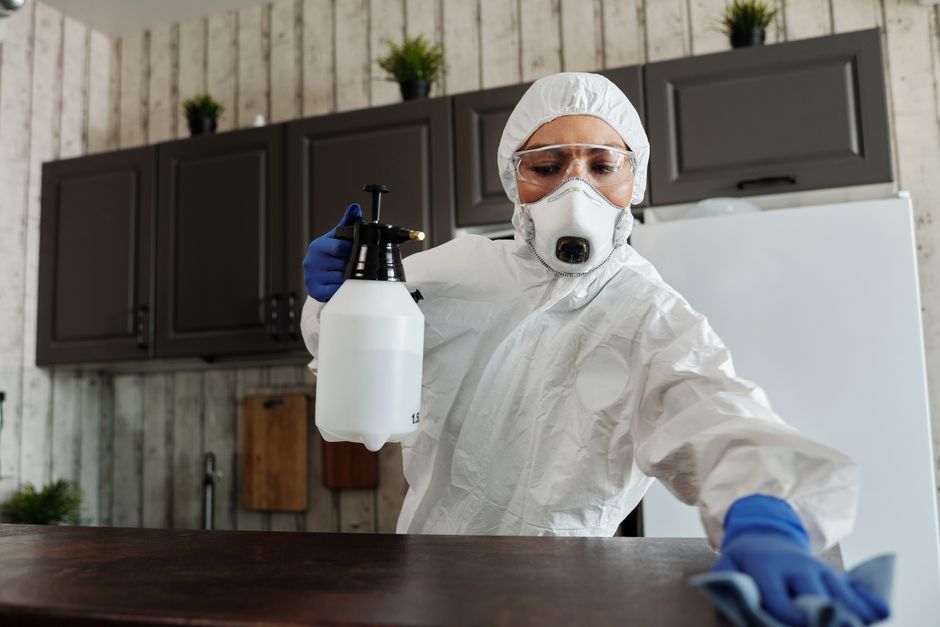
If you've ever wiped a kitchen worktop, then touched a kettle handle, then picked up a phone, you already understand the problem. Contamination moves quietly. One small missed spot can spread germs across a whole room, especially in busy homes, offices, rental properties, and shared spaces. This guide explains how to disinfect high touch areas to stop cross contamination in a practical, sensible way so you can clean with confidence rather than guesswork.
You do not need a laboratory setup or an overcomplicated routine. What you do need is the right order, the right product, and a bit of discipline. Truth be told, most cleaning fails because people clean the visible dirt and skip the details: the door edge, the underside of the switch, the little ridge around the tap. Those are the places that matter.
In this article, you'll learn what high touch areas are, why they spread contamination so easily, how disinfection differs from general cleaning, and the exact steps that make the process work. There's also a checklist, a comparison table, and a realistic example from an everyday setting. Let's get into it.
Why How to disinfect high touch areas to stop cross contamination Matters
High touch areas are surfaces that people touch repeatedly throughout the day. In a home, that could be light switches, handles, taps, remote controls, fridge doors, banisters, and toilet flushes. In an office, it often includes desk phones, shared keyboards, lift buttons, drawer pulls, and meeting-room tables. In a rental or post-renovation clean, there are usually more touch points than people realise.
Cross contamination happens when microbes, dirt, body fluids, or residue are transferred from one surface to another, often by hands, cloths, sponges, or reused equipment. The cleaning process itself can accidentally spread contamination if you do not work methodically. It's a bit annoying, really: cleaning can become the thing that spreads the mess.
That's why disinfection matters. Cleaning removes dirt and organic material; disinfection reduces the number of microorganisms on a surface. If you skip the cleaning step and spray disinfectant over grime, the product may not work properly. If you use the same cloth on every surface, you can spread contamination from the bathroom to the kitchen in seconds.
In practical terms, the issue matters most where people are vulnerable, where surfaces are shared, or where hygiene expectations are high. Think childcare settings, staff kitchens, rental turnarounds, shared homes, medical-adjacent environments, or any property where lots of hands move through the same space every day.
For households that want a deeper reset, a proper deep cleaning service can help bring high touch areas under control, especially after illness, a move, or a very busy period. For larger commercial spaces, using experienced office cleaning support can make the routine more reliable and less ad hoc.
How How to disinfect high touch areas to stop cross contamination Works
The basic idea is simple: remove soil first, then apply a suitable disinfectant, then give it proper contact time. That final bit is where many people go wrong. A disinfectant does not work instantly the moment it touches the surface. It needs to stay wet for the time stated on the label, otherwise you are mostly just dampening the area. Not ideal.
Think of the process in layers. First comes pre-cleaning, which removes dust, grease, fingerprints, and visible debris. Then comes disinfection, which targets microorganisms. Finally, there is controlled drying and, where needed, a return wipe with a clean disposable cloth or freshly laundered microfibre.
Cross contamination is reduced by controlling movement as well as products. You are not just cleaning surfaces; you are managing transfer paths. That means clean to dirty, high-risk to low-risk only if your workflow supports it, and changing cloths, gloves, and mop heads before they become a vehicle for spread.
In a busy property, a single cloth can be the weak point. One moment it is on a tap. Next, it's on a fridge handle. Then it's on a door frame, then a switch. By the end, it's moving contamination around like a tiny taxi. The fix is simple, but you have to stay disciplined.
Key Benefits and Practical Advantages
When done properly, disinfecting high touch areas gives you more than a "clean" look. It reduces risk, improves hygiene confidence, and helps keep shared spaces more pleasant to use. That may sound obvious, but the practical difference is noticeable.
- Lower transfer risk: fewer microorganisms are left on switches, handles, and shared equipment.
- Better hygiene in busy areas: ideal for kitchens, reception points, washrooms, and communal spaces.
- Cleaner hand contact points: surfaces feel fresher and are less likely to pick up residue.
- More consistent standards: a structured method is easier to repeat than "just give it a wipe".
- Less re-soiling: if dust and grime are removed first, the area stays presentable for longer.
- Improved reassurance: residents, staff, guests, and tenants can see that the place has been properly looked after.
There is also a time-saving benefit. It sounds backwards, but a well-planned routine is quicker than an improvised one. Once you know the sequence, you stop revisiting the same spot three times because you forgot the door handle or used the wrong cloth.
If you are preparing a property for handover or tenant move-out, pairing this routine with end of tenancy cleaning can help you cover both appearance and hygiene expectations in one pass. For occupied homes that need a reset, one-off cleaning is often the most practical route.
Who This Is For and When It Makes Sense
This approach is useful for more people than you might think. Yes, it matters for professional cleaners, but it also matters for landlords, tenants, office managers, domestic households, facilities teams, and anyone dealing with frequent shared contact points.
You will usually want a focused disinfection routine when:
- someone in the property has been unwell
- the space is used by many people each day
- there are children, older adults, or vulnerable occupants
- you are handing over a rental property
- the kitchen or bathroom has seen heavy use
- you are cleaning after a builders' visit or renovation work
- the space needs a hygiene reset after a busy event, deep clean, or seasonal turnover
For offices, the need is often practical rather than dramatic. Staff touch the same points all day, often without noticing it. Shared desks, meeting rooms, toilets, entry systems, and kitchen equipment all build up contact pressure. In a domestic setting, the pattern is softer but still real. A family can touch the same kitchen tap dozens of times before lunch. That adds up.
Where there is grit, plaster dust, or post-project residue, a specialist after builders cleaning service is often the better starting point, because disinfection works best after the heavy debris is removed. If you need ongoing help in the home, domestic cleaning can keep those touch points from getting out of hand again.
Step-by-Step Guidance
Here is the sequence that tends to work best in real life. Keep it simple and repeatable.
- Gather the right supplies. Use a suitable disinfectant, clean microfibre cloths or disposable wipes, gloves if needed, and a rubbish bag for used materials.
- Ventilate the area if safe to do so. A bit of fresh air helps with product fumes and general comfort.
- Remove visible dirt first. Wipe away dust, grease, fingerprints, soap residue, and crumbs. Do not skip this stage.
- Work from cleaner to dirtier areas. Start with low-risk touch points and move toward higher-risk ones, or follow your chosen hygiene plan consistently.
- Apply disinfectant properly. Cover the contact surface evenly. Do not flood it, but do not barely mist it either.
- Allow the stated contact time. Keep the surface wet for as long as the product instructions require.
- Use a clean cloth or wipe for each zone. Do not drag contamination from one room to the next.
- Let the surface dry naturally where possible. If a finish requires drying, use a clean towel or fresh cloth only after the disinfectant has done its job.
- Dispose of single-use items safely. Bag used wipes and any contaminated disposables immediately.
- Wash hands thoroughly at the end. It sounds basic, but it closes the loop.
A practical example: in a kitchen, you might clean and disinfect the tap, kettle switch, fridge handle, microwave buttons, cupboard pulls, bin lid, and light switch in that order. In a bathroom, you would usually treat the flush handle, taps, soap dispenser, cabinet handles, and door furniture with the same disciplined approach.
For floor and threshold hygiene, it can also help to keep the surrounding area under control. Services such as hard floor cleaning are useful when dirt is being tracked around and reintroduced to touch points, especially in entrances and kitchens.
Expert Tips for Better Results
A few small habits make a disproportionate difference. These are the things experienced cleaners tend to do almost automatically.
- Label your cloths by zone. Bathroom cloths should never drift into kitchen use. Ever.
- Change frequently. Once a cloth feels damp, smelly, or visibly dirty, stop using it.
- Don't overspray. More product is not the same as better disinfection. It can leave residue and make surfaces sticky.
- Pay attention to edges and undersides. That little lip under a handle or switch plate is easy to miss.
- Keep a routine. If you clean the same touch points in the same order, you are less likely to forget one.
- Use gloves sensibly. Gloves protect hands, but they can also spread contamination if you touch everything with the same pair and never change them.
- Let product instructions lead. Different disinfectants have different dwell times and surface compatibility.
To be fair, the label matters more than the bottle's marketing claims. If the surface says it is suitable for the material and the contact time is respected, you are already doing much better than most rushed cleaning routines.
If your cleaning needs extend beyond touch points, a broader deep cleaning routine can reset the whole environment, not just the places people grab with their hands.
Common Mistakes to Avoid
Most failures come from a handful of predictable habits. Once you know them, they are easier to avoid.
- Wiping before removing dirt: disinfectant performs badly on greasy or dusty surfaces.
- Using one cloth for everything: this is a classic cross contamination problem.
- Not respecting contact time: if it dries too soon, the product may not achieve the intended effect.
- Mixing products: never combine chemicals unless the manufacturer specifically says it is safe. That can create dangerous fumes or damage surfaces.
- Forgetting hidden touch points: drawer edges, bin lids, remote controls, and appliance buttons are frequent misses.
- Cleaning in the wrong order: if you do bathrooms and then kitchens with the same tools, you may move contamination across the property.
- Ignoring material compatibility: some finishes need gentle products to avoid dulling or marking.
One more thing. Don't assume something looks clean just because it shines. A glossy switch plate can still carry residue, and a fresh smell does not equal effective disinfection. Nice smell, yes. Proof of hygiene, not really.
Tools, Resources and Recommendations
You do not need an elaborate kit, but you do need the right basics. A sensible setup usually includes:
- an appropriate disinfectant for hard surfaces
- microfibre cloths separated by zone
- disposable wipes for high-risk or hard-to-launder tasks
- gloves, if the task involves chemicals or contaminated areas
- bucket or caddy for organised transport of supplies
- spare cloths so you can swap when one gets dirty
- hand hygiene supplies for the end of the job
For larger properties or commercial sites, it is often worth having a written cleaning sequence. That does not need to be fancy. A simple room-by-room, surface-by-surface list is often enough to keep the process consistent, especially when different people clean different spaces.
If you need regular help rather than a one-off reset, the right cleaners can bring consistency, while a trusted cleaning company can provide a more structured hygiene plan across multiple rooms or sites.
For homes with soft furnishings, touch points often extend into fabrics too. Sofa arms, remote controls, and cushion edges are handled constantly. A specialised sofa cleaning or upholstery cleaning service can help maintain the surrounding environment, though those methods are different from hard-surface disinfection. Same with carpet cleaning and window cleaning in terms of overall cleanliness and presentation.
Law, Compliance, Standards, or Best Practice
When disinfection is part of a workplace, rental handover, or professional cleaning service, the goal is not only to make surfaces look tidy. It is to work safely, use products correctly, and follow accepted hygiene practice. In the UK, that generally means reading product instructions carefully, using them only on compatible surfaces, storing them safely, and making sure staff understand the process.
If you are cleaning professionally, the relevant expectations usually revolve around risk assessment, safe use of chemicals, proper dilution where needed, and clear separation between cleaning stages. You also need to think about ventilation, hand protection, and what happens if a product splashes or a surface is damaged. There is nothing glamorous about this, obviously, but it keeps people safe.
For landlords, letting agents, facilities teams, and office managers, the practical standard is simple: the space should be hygienic, the method should be reasonable, and the process should be repeatable. You are not required to invent a complicated protocol. You are expected to follow sensible best practice.
If you want to understand how a provider approaches safety, insurance, and process controls, it can help to review pages like health and safety policy and insurance and safety. They give a good sense of how seriously a company treats risk and responsibility.
Options, Methods, and Comparison Table
There are a few ways to handle high touch areas, and each has a place. The best choice depends on the surface, the environment, and the level of contamination risk.
| Method | Best for | Strengths | Limitations |
|---|---|---|---|
| General cleaning | Everyday dust, fingerprints, light grime | Quick, inexpensive, removes visible soil | Does not reliably reduce microorganisms on its own |
| Targeted disinfection | Taps, handles, switches, shared equipment | Good for hygiene control when done properly | Needs correct product, prep, and contact time |
| Room-by-room deep clean | Busy homes, post-illness, tenancy changeovers | Covers more touch points and hidden build-up | Takes longer and needs more planning |
| Professional cleaning service | Offices, rental turnovers, high-use properties | More consistent, efficient, and scalable | Costs more than doing it yourself |
In practice, most people need a combination. For example, a kitchen may need daily surface cleaning, weekly targeted disinfection, and occasional deeper attention around appliances and fixtures. That layered approach works better than trying to do everything in one dramatic wipe-down once a month. Which, let's be honest, is how many homes end up living anyway.
For properties that need broader attention, especially at the end of a tenancy, services such as oven cleaning, rug cleaning, and carpet cleaner support can complement the disinfection of high contact surfaces and help the whole property feel genuinely reset.
Case Study or Real-World Example
Imagine a two-bedroom flat after a short rental turnaround. The property looks okay at first glance, but the obvious touch points tell a different story. The kitchen tap is smudged, the fridge handle feels tacky, the bathroom flush is streaked, and the entry door handle has picked up layers of hand oils from moving in and out.
The cleaner starts by removing dust and residue from the kitchen and bathroom with separate cloths. Then each contact point is disinfected in sequence, with attention to dwell time. The cloths are changed between rooms, and the final pass checks the awkward spots: switch plates, cupboard edges, and the underside of handles. The result is not just a room that looks clean, but one that feels properly finished.
The difference is subtle but real. A tenant walking in later that evening may not comment on the taps or light switches. They will simply notice the overall freshness, the lack of sticky residue, and the fact that the place feels looked after. That is the quiet win. No drama. Just good hygiene done properly.
Practical Checklist
Use this checklist before, during, and after disinfecting high touch areas.
- Identify all high touch areas in each room
- Choose a disinfectant suitable for the surface
- Remove visible dirt before disinfecting
- Use separate cloths or wipes for separate zones
- Clean from least dirty to most dirty, or follow your planned route consistently
- Keep the surface wet for the full contact time
- Do not mix products
- Replace cloths when they become dirty or damp
- Pay attention to hidden edges, seams, and undersides
- Dispose of used wipes safely
- Wash hands after finishing
- Review any missed spots before you leave the room
If you want a broader reset rather than a point-clean, a home cleaners visit can be a practical next step, especially if the property has many touch points or a busy household routine.
Expert summary: The safest way to stop cross contamination is not to clean faster. It is to clean more deliberately. Separate your tools, remove dirt first, respect contact time, and never let one cloth wander through the whole property.
Get a free quote today and see how much you can save.
Conclusion
Knowing how to disinfect high touch areas to stop cross contamination is really about control. Control over tools, over sequence, and over the little habits that either protect a space or spread the problem around. Once you understand the process, it becomes far less mysterious: clean first, disinfect properly, and keep each surface in its own lane.
That is what makes the difference in a busy home, a working office, or a rental property that needs to feel genuinely ready for people again. Not perfection. Just steady, careful, sensible hygiene. And sometimes that is more than enough.
If you are dealing with a property that needs more than a quick wipe-down, speaking with an experienced cleaner or arranging a structured one-off cleaning visit can save time, reduce stress, and give you a proper fresh start.
There is something oddly satisfying about a space that has been cleaned with care. It feels calmer. Safer. Ready.
Frequently Asked Questions
What are the most important high touch areas to disinfect first?
Start with the surfaces people touch constantly: door handles, light switches, taps, toilet flushes, fridge handles, kettle switches, and shared buttons or controls. In offices, add desk phones, lift buttons, shared keyboards, and kitchen appliances.
Do I need to clean before I disinfect?
Yes. Cleaning removes dirt and grease that can stop a disinfectant from working properly. If you disinfect a dirty surface, you may leave contamination behind or reduce the product's effectiveness.
How long should disinfectant stay on a surface?
Follow the product label. Different disinfectants need different contact times, and the surface usually has to stay visibly wet for the full period. That's the part people miss most often.
Can I use the same cloth in every room?
It's not a good idea. Using one cloth everywhere increases the risk of cross contamination. Separate cloths by room or task, and replace them when they become dirty or damp.
Is disinfecting the same as sanitising?
Not exactly. In general use, sanitising usually means reducing germs to a safer level, while disinfecting is a stronger process aimed at reducing microorganisms more significantly. The exact meaning can vary by product label, so always check instructions.
What surfaces should not be disinfected with strong chemicals?
Some delicate surfaces, such as certain natural stones, untreated wood, or specialist finishes, can be damaged by harsh products. Always check compatibility before applying anything to a large area.
How often should high touch areas be disinfected?
That depends on use. In a busy home or workplace, some surfaces may need daily attention, while others may only need it after heavy use, illness, or a deeper clean. High-traffic areas usually need the most regular care.
Can I stop cross contamination completely?
Honestly, no routine removes every risk in every situation. But you can reduce it a lot by separating tools, cleaning in order, changing cloths regularly, and paying attention to contact time. That makes a huge difference.
What's the biggest mistake people make when disinfecting?
The most common mistake is rushing. People often spray and wipe too quickly, skip the cleaning step, or reuse a dirty cloth. A rushed method looks productive but often misses the point.
Should I disinfect soft furnishings too?
Soft furnishings need different care. You generally do not disinfect sofas and carpets in the same way as hard surfaces. For fabric items, specialist cleaning may be more suitable, such as sofa cleaning or upholstery cleaning, depending on the material.
When should I hire professionals instead of doing it myself?
If the property is large, shared by many people, affected by illness, or needs a full reset before handover, professional support is often worth it. A reliable team can keep the process consistent and save you a lot of faff.
Does a clean-looking surface mean it is disinfected?
No. A surface can look spotless and still carry contamination. That is why product choice, method, and contact time matter just as much as appearance.
For more formal information about how services are delivered, you can also review about us and the company's pricing and quotes page if you are planning a professional clean.